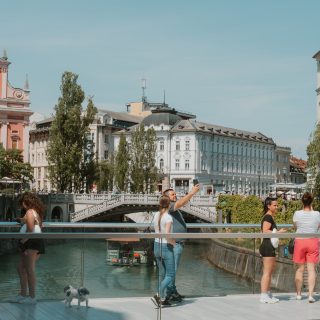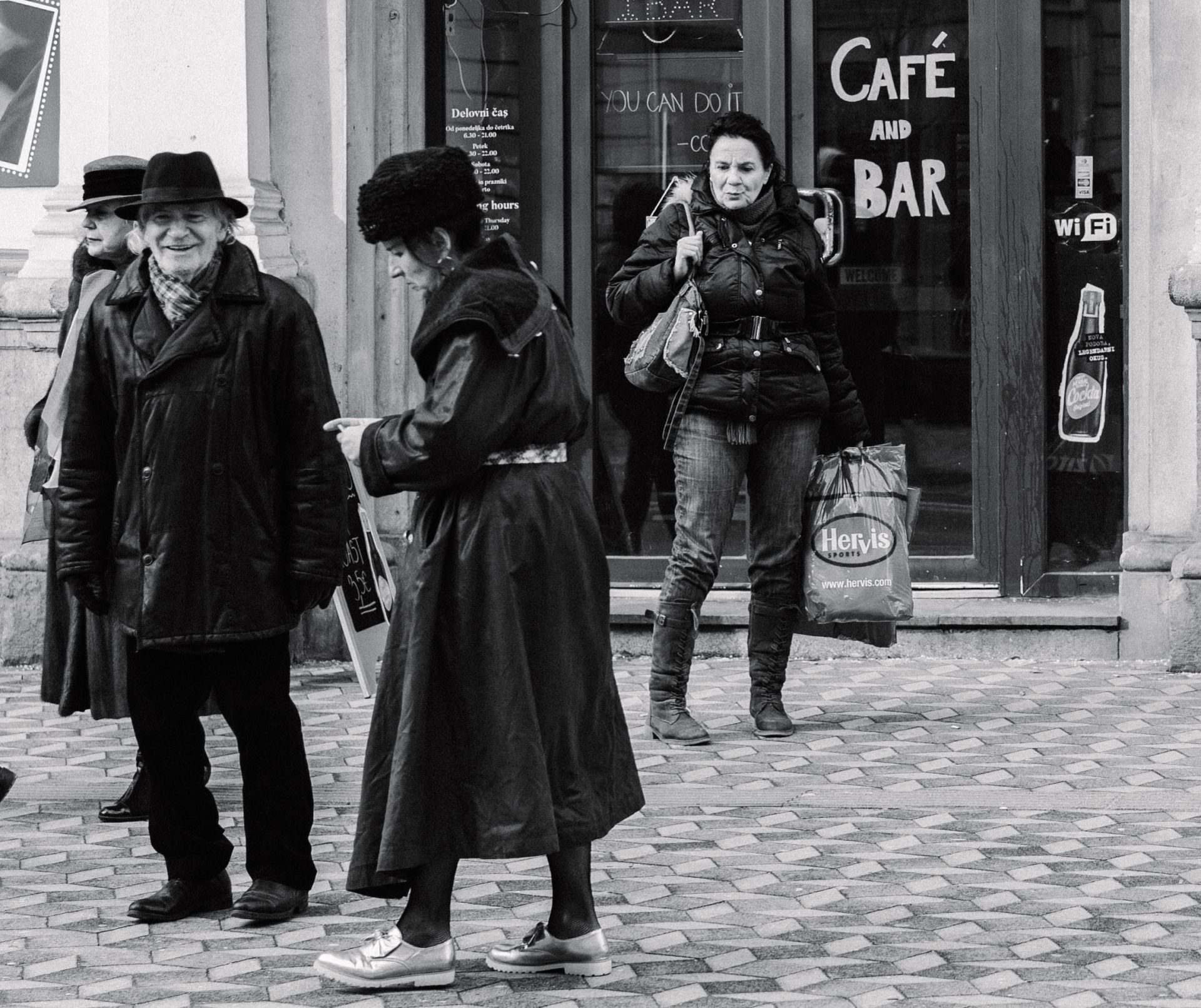
Street photography teaches restraint, patience, and trust in the moment.
These principles carry into every project we create.
Street Photography, Slowly
Street photography entered our lives quietly. There was no plan to document anything important, no intention to define a style. Just walking, camera in hand, paying attention. Over time, those walks became longer, slower, and more deliberate. The photographs followed naturally.
What stayed was the habit of looking.

In Transit
Condensation, motion, a private pause.
Parked Between Walls
A small car, a narrow street, and enough space to pass.

Walking Without Urgency
This way of working. Staying longer, moving less. Has shaped how we approach commissioned photography as well, allowing scenes to settle before we intervene.
Street photography rewards time more than talent. The longer you stay in one place, the more the street reveals itself. Movements repeat. Light shifts. People settle into patterns. What first feels chaotic slowly becomes readable.
Some days nothing happens. Other days, everything happens at once. Both are part of the process.

People, As They Are
People appear in photographs the same way they appear in life. Briefly, imperfectly, often without awareness.
A pause on a step.
A cigarette half-smoked.
A conversation interrupted by silence.
These moments don’t announce themselves. They don’t wait to be framed. They exist whether the camera is there or not. Street photography is simply being present when they pass.
Pay attention long enough, and the image appears.
– Daniel & Maruša
What You’ll Find in This Story
- How to read a place before photographing it
- Learning to slow down, observe rhythm, light, and movement before lifting the camera.
- Everyday moments worth waiting for
- Small gestures, pauses, and interactions that quietly define street life in Tuscany.
- Working with light instead of chasing it
- How natural light shapes scenes in streets, cafés, and villages throughout the day.
- People as part of the landscape
- Photographing people without interruption, staging, or intrusion.
- Why restraint matters more than gear
- Fewer shots, more intention. Letting scenes unfold rather than forcing images.


Architecture and Time
Walls remember more than people think. Stone darkened by weather, paint worn by hands, steps softened by decades of walking. These surfaces carry time. They change slowly, almost politely, and only notice those who slow down enough to look.
Light does most of the work here. It reveals texture, age, repetition. It decides when a place opens and when it closes again.

About Equipment
Equipment becomes background noise after a while. Once a camera feels familiar, it disappears. What remains is weight, size, sound. Small things that influence how freely you move and how long you stay out.
The goal isn’t perfection. It’s continuity. Anything that keeps you walking longer is good enough.

Summer, Unposed
Adriatic Coast
Through the Glass
Surfer, briefly noticed

Why We Keep Photographing Streets
Street photography doesn’t always produce images. Some days it only produces awareness.
Other days it sharpens patience. Occasionally it leaves you empty-handed, but calmer.
That is usually enough. Photographs accumulate slowly. Understanding does too.


Closing
Street photography isn’t dramatic work. It doesn’t need explanations. It’s walking. Looking. Waiting. And sometimes, when everything aligns for a second, lifting the camera.